
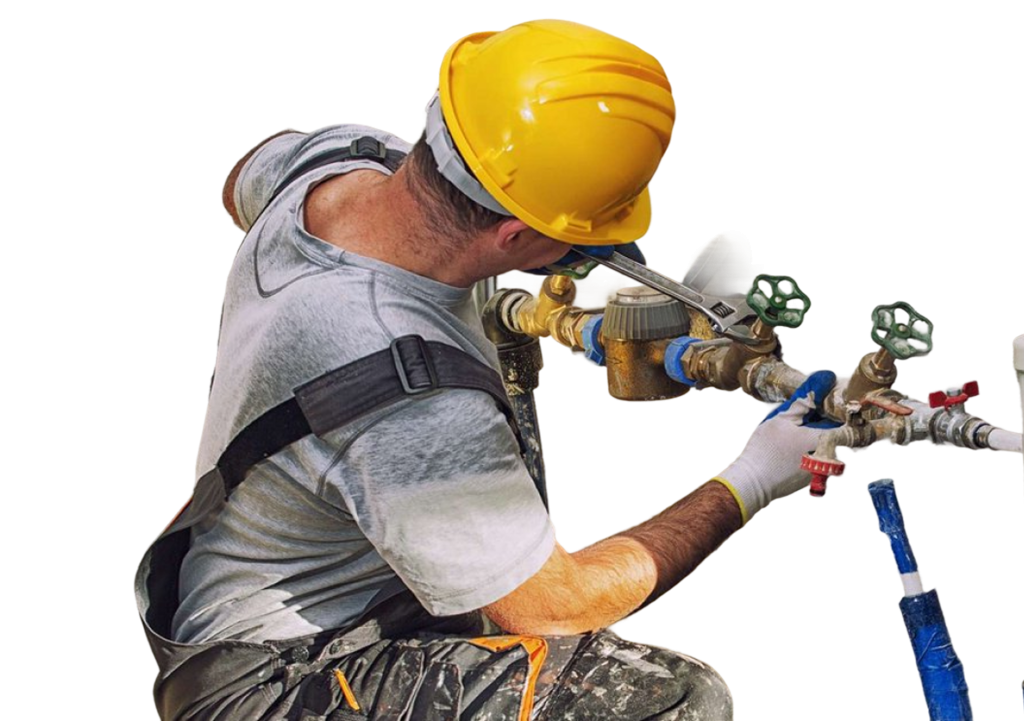


A plumbing problem can shift from inconvenient to urgent very quickly. A dripping faucet can usually wait for a scheduled repair, but water pouring from a broken pipe, sewage backing into a shower, or an overflowing toilet that cannot be stopped calls for a different response.
For homeowners in Cottonwood, knowing what qualifies as a plumbing emergency can help prevent unnecessary damage and make the next steps easier to understand. When a problem cannot safely wait, professional emergency plumbing services in Cottonwood can help identify the cause and determine the appropriate repair.
The goal is not to diagnose every problem yourself. It is to recognize when water needs to be stopped, when plumbing fixtures should no longer be used, and when professional help is needed.
When Does a Plumbing Problem Become an Emergency?
A plumbing problem becomes an emergency when delaying action could lead to significant water damage, sewage exposure, loss of essential plumbing service, or another safety concern.
Some situations are clearly urgent. Others depend on how much water is escaping, where the problem is located, and whether the affected fixture can be isolated.
Common plumbing emergencies include:
- Burst or severely leaking pipes
- Water that cannot be shut off at the affected fixture
- Sewage backing into toilets, tubs, showers, or floor drains
- An overflowing toilet that continues filling
- Major water heater leaks
- Water leaking through walls or ceilings
- Several drains backing up at the same time
- Sudden loss of water throughout the home
- Significant outdoor or underground plumbing leaks
- Water collecting near electrical equipment
- Suspected gas line problems
A slow bathroom sink, minor faucet drip, or single clogged drain may still need repair, but these problems do not always require immediate emergency service.
The key question is simple: Will waiting allow the problem to keep damaging the home or create an unsafe condition?
If the answer may be yes, the situation deserves faster attention.
The First Few Minutes Can Make a Big Difference
When water is actively escaping, the first priority is usually stopping additional water from reaching the damaged area.
Trying to determine the exact cause can come later.

Shut Off the Affected Fixture When Possible
Many toilets, sinks, and other plumbing fixtures have individual shutoff valves.
If the problem is isolated to one fixture and the valve is accessible, shutting off that fixture may stop the immediate flow while leaving water available throughout the rest of the house.
For example, a leaking toilet supply connection may be controlled using the shutoff valve near the toilet.
If water continues flowing after the local valve is closed, the problem may be located elsewhere.
Know Where the Main Water Shutoff Is Located
When a leak cannot be isolated, shutting off the home’s main water supply may be necessary.
Homeowners often do not think about the main shutoff until an emergency happens. Knowing its location beforehand can save valuable time when a pipe suddenly begins leaking.
Once the main supply is closed, avoid repeatedly opening faucets or testing damaged fixtures unless instructed to do so as part of a professional diagnosis.
Treat Water Near Electricity Carefully
Water near outlets, appliances, wiring, electrical panels, or powered equipment creates an additional concern.
Do not enter standing water or attempt electrical work when the area may be unsafe. Plumbing damage and electrical hazards can overlap, so safety should take priority over investigating the leak.
Protect What You Can Without Entering an Unsafe Area
If it can be done safely, move furniture, electronics, rugs, stored items, and other belongings away from the affected area.
Buckets and towels may help contain a manageable drip, but they should not be treated as a solution for an active plumbing failure.
Once water is controlled, the next step is figuring out why it happened.
A Burst Pipe Requires More Than Stopping the Water
A burst pipe is one of the clearest plumbing emergencies because water can continue flowing until the supply is shut off.

Sometimes the damaged section is immediately visible. In other situations, homeowners first notice water spreading across a floor, dripping through a ceiling, or appearing behind drywall.
Common signs include:
- Sudden water flow where no fixture is running
- Rapidly spreading moisture
- Unexpected loss of water pressure
- Water stains that grow quickly
- Wet walls or ceilings
- Sounds of running or spraying water behind surfaces
Stopping the water limits additional damage, but it does not explain why the pipe failed.
When the problem involves a broken, damaged, aging, or repeatedly leaking plumbing line, professional pipe repair and replacement can help determine whether the failure is isolated or part of a wider piping problem.
A single damaged connection and an aging plumbing system require very different solutions.
Water Coming Through the Ceiling May Have Started Somewhere Else
Seeing water drip through a ceiling naturally makes people look directly above the wet spot.
That is useful, but plumbing leaks do not always travel in a straight line.
Water can move along:
- Pipes
- Floor framing
- Drywall
- Insulation
- Joists
- Other building materials
The visible stain may therefore appear some distance from the original leak.
Potential sources can include an upstairs toilet, bathtub, shower, sink, water supply line, drain pipe, or water heater.
Pay attention to when the leaking occurs.
If water appears only when an upstairs shower is running, that information can help narrow the possibilities. If water continues flowing when no fixtures are being used, a pressurized supply line may need investigation.
When the source is concealed, professional leak detection and repair can help locate where the water is actually escaping instead of relying only on the visible stain.
The important step is to stop using any fixture that appears connected to the leak until the source is identified.
An Overflowing Toilet Can Point to More Than a Simple Clog
A toilet that rises toward the rim after flushing is usually the signal to stop flushing immediately.
Repeated flushing can send more water into a bowl that is already unable to drain properly.
If the toilet continues filling, use the fixture shutoff valve if it is accessible and safe to operate.
The next question is whether the problem involves only that toilet.
One Toilet Is Affected
An isolated blockage may be located in the toilet or nearby drain.
Several Fixtures Are Acting Strangely
A larger drainage problem becomes more likely when the toilet issue appears alongside:
- Gurgling drains
- Water backing into the shower
- Slow sinks
- Floor drain backups
- Problems with another toilet
If blockage is contributing to the overflow, professional drain clearing services can address restrictions deeper in the drainage system that may not respond to basic household methods.
At that point, repeatedly attempting to clear one fixture may not address the real problem.
Multiple Drain Backups Can Signal a Sewer Line Problem
One slow drain is often a localized problem.
Several affected fixtures tell a different story.

Imagine the bathroom sink drains slowly, then the toilet begins bubbling, and water later appears in the shower when another fixture is used. Those symptoms may be connected because several fixtures eventually discharge into shared drainage piping.
Possible signs of a larger drainage or sewer issue include:
- Multiple slow drains
- Toilets that bubble or gurgle
- Water rising in showers or tubs
- Floor drain backups
- Sewage odors
- Wastewater returning through fixtures
When wastewater enters living areas, avoiding further use of the plumbing system can help prevent additional backup.
This is also why treating every drain individually may not solve the problem. The restriction may be farther downstream.
No Water in the House Requires Some Basic Troubleshooting
Opening a faucet and getting no water can feel like an immediate plumbing emergency, but the first step is identifying how widespread the problem is.
Start With Another Fixture
If one faucet has no water but the rest of the house works normally, the issue may be isolated to that fixture or its supply.
If every fixture is affected, the problem is broader.
Check Whether Both Hot and Cold Water Are Affected
No hot water is different from having no water at all.
If cold water is available but hot water is not, the water heater or hot water system may be involved.
Homeowners dealing with hot water loss, leaking tanks, or replacement concerns can review professional water heater repair and installation services to understand the types of problems that may require service.
If neither hot nor cold water is available anywhere in the home, the issue may involve the main supply, plumbing system, or an external interruption.
Look for Other Warning Signs
A sudden loss of water accompanied by visible leaking, wet areas, or unusual plumbing noises may point toward a plumbing failure.
If there is no evidence of an internal plumbing problem, homeowners may also need to confirm whether a broader water service interruption exists before assuming something inside the house has failed.
Not Every Leak Has the Same Level of Urgency
The word “leak” covers everything from an occasional drip to water pouring through a wall.
The severity depends on several factors.
Ask:
- Is the water still flowing?
- Can the affected fixture be shut off?
- Is water entering walls, ceilings, cabinetry, or flooring?
- Is the leak close to electrical equipment?
- Is the amount of water increasing?
- Does the leak continue when fixtures are not being used?
- Is the source visible?
- Has the same area leaked before?
A faucet dripping into a sink can often be scheduled for normal repair.
A hidden pipe sending water into drywall should be treated very differently.
That distinction helps homeowners respond appropriately without treating every plumbing defect as the same type of emergency.
Hidden Leaks Can Cause Problems Before You See Water
Some plumbing leaks remain concealed inside walls, ceilings, floors, cabinets, or underground piping.
They may not create dramatic flooding at first.
Instead, homeowners may notice indirect warning signs such as:
- Damp or discolored drywall
- Musty odors
- Flooring that feels unusually wet
- Sounds of running water when fixtures are off
- Unexplained moisture around cabinets
- Water meter movement when the plumbing is not being used
- Unexpected changes in water use
- Repeated staining in the same area
One clue alone does not confirm a hidden plumbing leak. Several related symptoms, especially when they appear without an obvious explanation, make further investigation more important.
Professional leak detection focuses on locating the source before deciding what needs to be repaired.
Water Heater Leaks Depend on Where the Water Is Coming From
Water around a water heater should not automatically be assumed to mean the tank has failed.

Possible leak locations include:
- Supply connections
- Plumbing fittings
- Valves
- The temperature and pressure relief system
- Drain components
- The tank itself
- Nearby plumbing that happens to drain toward the heater
That is why the source matters.
A leaking connection may require a different repair from a tank that is releasing water through its body.
If a large amount of water is escaping, the priority is controlling the water safely and avoiding interaction with electrical or gas components.
Once the source is identified, the next decision becomes whether repair is reasonable or replacement makes more sense based on the condition of the unit.
Outdoor Plumbing Leaks Can Become Indoor Problems Too
Plumbing emergencies are not limited to kitchens and bathrooms.
Outdoor plumbing includes faucets, water lines, buried piping, irrigation-related connections, and supply lines serving exterior fixtures.
Warning signs can include:
- Water pooling in the yard without a clear cause
- Persistently wet soil
- A leaking outdoor faucet
- Sudden pressure changes
- Water appearing near the home’s foundation
- Sounds of running water when outdoor fixtures are off
- Unexplained water use
A small outdoor drip may be manageable until normal service can be scheduled.
A broken underground supply line releasing a large amount of water deserves quicker attention.
The location of the leak also matters. Water escaping near the foundation or other structures may create problems beyond the plumbing line itself.
Some DIY Responses Can Make the Situation Worse
Emergency situations often create pressure to act quickly, but quick action should still be safe and purposeful.
A few common responses are better avoided.
Repeatedly Flushing an Overflowing Toilet
If the bowl is already rising, another flush introduces more water into a system that is not draining correctly.
Continuing to Use Fixtures During a Backup
When multiple drains are affected, running additional water may contribute to more backup.
Opening Walls Without Locating the Leak
Water stains can appear away from the actual source. Cutting into the first wet area may not reveal the failed pipe.
Using Drain Chemicals During a Serious Backup
A major drainage problem may be located farther into the system than a chemical cleaner can reach.
Adding chemicals can also create another complication for anyone who later needs to work on the drain.
Attempting Repairs Around Gas or Electrical Components
Some plumbing equipment interacts with gas or electricity. Work involving those systems requires the appropriate expertise and safety precautions.
The safest emergency response is often simpler than people expect: stop the water when possible, stop using affected fixtures, document what you noticed, and have the underlying cause diagnosed.
What an Emergency Plumber Needs to Determine
The visible symptom is only the beginning of the diagnosis.
Water on the floor tells you something is wrong, but it does not explain which component failed or why.
Where Is the Water Coming From?
The source may involve:
- A pressurized supply pipe
- Drain piping
- A fixture
- A water heater
- An outdoor line
- An underground pipe
- A connection or valve
Finding the source prevents repairs from being based solely on where water happened to appear.
Is the Problem Isolated or System-Wide?
One fixture behaving incorrectly suggests a different problem from several fixtures failing simultaneously.
This distinction is particularly useful with drainage problems.
Can the Failed Area Be Isolated?
If closing one fixture valve stops the problem completely, the rest of the plumbing system may remain usable.
If only the main water shutoff controls the leak, the problem may affect a larger section of the supply system.
Has the Same Problem Happened Before?
A first-time failure may justify a focused repair.
Repeated leaks, recurring blockages, or ongoing pressure problems can suggest that a broader investigation is worthwhile.
What Condition Is the Surrounding Plumbing In?
Fixing the visible failure is only part of the decision when surrounding materials show deterioration.
For household systems where several plumbing components may be involved, residential plumbing services can help homeowners address problems affecting pipes, fixtures, drains, and other parts of the home.
Repair or Replacement Depends on What Actually Failed
Emergency plumbing service does not automatically mean major replacement.
Sometimes a damaged fitting, valve, fixture, or localized pipe section can be repaired.
Other situations require a broader discussion.
Factors that can affect the decision include:
- Type of failure
- Location
- Accessibility
- Condition of the damaged component
- Condition of surrounding plumbing
- History of previous repairs
- Whether similar failures keep happening
- Whether the issue is isolated or widespread
Consider a hypothetical example.
A homeowner discovers one leaking connection under a sink. The surrounding piping is otherwise in good condition and there is no history of recurring leaks. A targeted repair may make sense.
Now imagine another home where pipes have developed leaks in several locations over a short period. Fixing only the newest leak may restore service temporarily, but evaluating the larger piping system could provide a better understanding of why the failures keep occurring.
The right decision comes from diagnosis, not from assuming repair or replacement before the system is inspected.
Small Warning Signs Often Appear Before Bigger Plumbing Problems
Not every emergency can be predicted, but plumbing systems often provide clues before a serious failure.
Pay attention to changes such as:
- Recurring drain clogs
- Increasingly slow drains
- Small leaks that return
- Running toilets
- Pressure changes
- Corrosion around plumbing connections
- Unusual pipe noises
- Water heater leakage
- Damp areas around plumbing fixtures
- Wet spots outdoors
- Repeated sewer odors
- Unexplained water use
The point of maintenance is not to assume every small issue will become an emergency.
It is to identify problems while there are still more options for addressing them.
A drain that occasionally slows, for example, may be easier to investigate before it becomes completely blocked.
A pipe connection showing early signs of leakage may be easier to repair before water reaches surrounding building materials.
Homeowners dealing with more than one type of issue can also review Harms Plumbing’s broader plumbing services to see how different repair and installation needs are handled.
Questions Cottonwood Homeowners Commonly Ask During Plumbing Emergencies
Is a leaking pipe always a plumbing emergency?
No. The urgency depends on how much water is escaping, whether the leak can be isolated, and where the water is going. A controlled drip is different from a pipe continuously releasing water into a wall, floor, or ceiling.
Should I shut off my home’s water during a plumbing emergency?
If uncontrolled water is escaping and the affected fixture cannot be isolated, shutting off the main water supply can help stop additional water from entering the plumbing system. Only approach valves and affected areas when it is safe to do so.
Is a clogged toilet an emergency?
An isolated toilet clog is not always an emergency. The situation becomes more urgent if the toilet is overflowing, wastewater is entering the room, other fixtures are backing up, or there is no usable toilet available.
Why are several drains backing up at once?
Several affected drains may share piping farther downstream. When toilets, showers, sinks, or floor drains begin backing up together, the problem may involve a shared drain or main sewer line rather than individual fixture clogs.
Is no hot water an emergency?
Loss of hot water alone is usually different from a major leak or sewage backup. A water heater problem becomes more urgent when large amounts of water are escaping or another safety concern is present.
Can a plumbing leak wait until morning?
It depends on whether the water can be completely stopped and whether damage is continuing. An active leak that cannot be controlled should receive faster attention than a small, isolated drip that has been safely shut off.
Why did my water pressure suddenly drop?
Possible causes include fixture problems, valves, supply line issues, leaks, or other plumbing conditions. A sudden pressure drop accompanied by visible leaking or loss of water throughout the home deserves further investigation.
Should I use drain cleaner during a sewer backup?
A sewer backup is different from a simple isolated clog. Continuing to add water or chemicals to the system may not address a blockage farther downstream. Stop using affected fixtures and have the drainage problem properly diagnosed.
Knowing What to Do Before Help Arrives Can Limit Further Damage
During a plumbing emergency, focus on what you can safely control.
Stop active water when possible. Avoid using fixtures connected to a backup. Stay away from water near electrical equipment. Note which fixtures are affected and when the problem started.
Those observations can help with diagnosis once professional plumbing service begins.
Just as important, do not assume the first visible symptom is the entire problem. Water can travel before becoming visible, several drains can be affected by one shared blockage, and repeated leaks may point to a larger plumbing issue.
If the source cannot be safely controlled or the problem requires immediate professional attention, you can contact Harms Plumbing for plumbing assistance to discuss the issue and service needs.
Understanding those connections makes it easier to respond calmly, limit further damage, and make informed decisions about the repair your home actually needs.
