
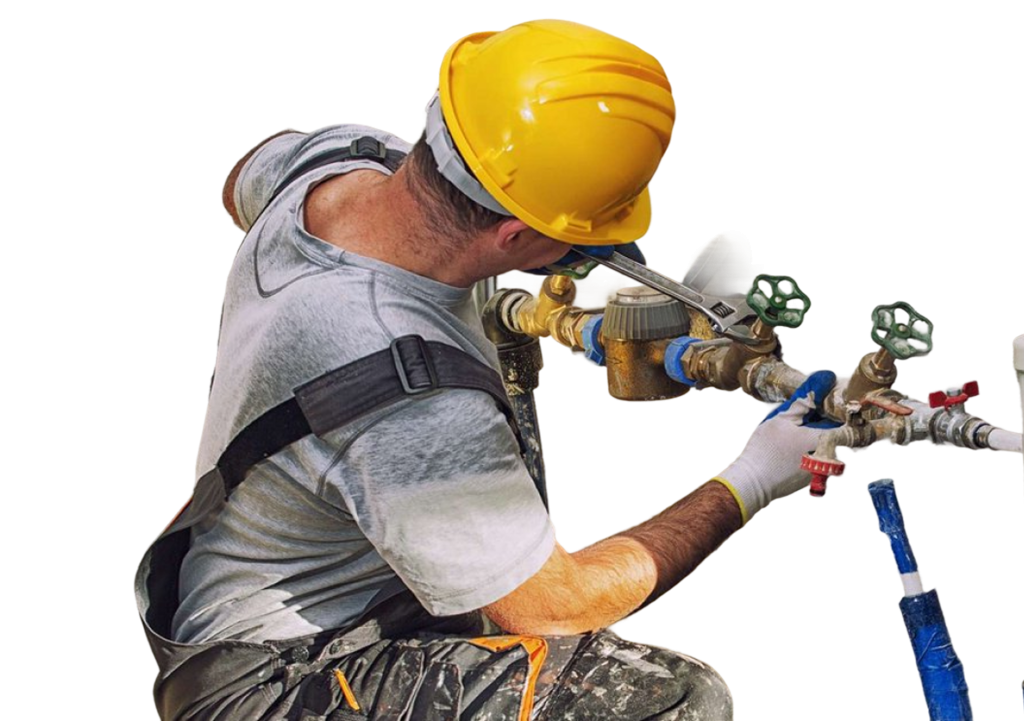


A plumbing emergency is any problem that creates an immediate risk of water damage, sewage exposure, property damage, loss of an essential plumbing function, or unsafe conditions inside your home. In Cottonwood, AZ, situations such as burst pipes, major leaks, overflowing toilets, sewer backups, significant water heater leaks, and plumbing failures that cannot be controlled may require immediate professional attention.
The challenge is that not every plumbing problem feels clearly urgent. A dripping faucet may be frustrating but manageable. Water pouring through a ceiling is different. Knowing where that line falls can help you protect your home, avoid unnecessary damage, and decide when to contact an emergency plumbing service in Cottonwood.
This guide explains what usually counts as a plumbing emergency, which problems can often wait, what homeowners should do first, and how different types of plumbing failures should be handled.
A Plumbing Emergency Is Defined by Risk, Not Just Inconvenience
A plumbing problem becomes an emergency when delaying action could significantly worsen the situation.
That risk may involve active water damage, contamination, inability to use essential plumbing fixtures, or a problem that cannot be isolated or controlled.
For example, a slowly dripping bathroom faucet can usually wait for scheduled service. A broken supply line spraying water under the same sink may require immediate attention because every minute allows more water to enter cabinets, flooring, walls, or nearby rooms.
A useful way to evaluate the situation is to ask:
- Is water actively spreading through the home?
- Can the water be shut off or contained?
- Is sewage or wastewater entering a living area?
- Is an essential fixture completely unusable?
- Could continued use make the problem worse?
- Is water reaching electrical equipment?
- Is the plumbing failure affecting multiple fixtures?
- Could waiting until the next available appointment cause significant additional damage?
If several of these conditions apply, the problem should be treated more seriously.
Homeowners experiencing several different plumbing concerns can also review available residential plumbing services to understand how household plumbing repairs are typically addressed.
Burst Pipes Are One of the Clearest Plumbing Emergencies
A burst pipe almost always deserves immediate attention because water can continue flowing until the supply is shut off.

A broken pressurized water line may release enough water to damage flooring, drywall, cabinetry, ceilings, insulation, furniture, and other materials in a short period of time. Some of that damage may occur behind walls or below floors where it is not immediately visible.
If you discover a burst pipe, your first priority should be stopping the flow of water when it is safe to do so.
Depending on the location of the break, that may involve shutting off:
- The individual fixture valve
- A nearby isolation valve
- The home’s main water supply
Once the water is off, avoid turning the supply back on until the damaged section has been evaluated.
Professional pipe repair and replacement may be needed when a pipe has cracked, split, corroded, separated at a fitting, or otherwise lost its ability to contain normal water pressure.
A pipe does not need to completely rupture to create an emergency. Even a smaller opening can release significant amounts of water if the line remains pressurized.
If the break is actively flooding part of the property, emergency plumbing assistance becomes especially important because the goal is not only repairing the pipe but also stopping additional damage as quickly as possible.
Major Water Leaks Can Become Emergencies Very Quickly
Not every plumbing leak is an emergency, but the amount of water and where it is going matter.

A minor drip under a sink that can be contained in a small container may allow enough time to schedule service. Water rapidly spreading across a floor or dripping through a ceiling should be treated differently.
Warning signs of a potentially serious leak include:
- Water appearing through ceilings
- Wet drywall with no obvious source
- Rapidly expanding damp areas
- Water collecting beneath flooring
- Continuous water flow when fixtures are off
- Water entering cabinets or walls
- A supply connection that will not stop leaking
- Water appearing near electrical outlets or appliances
- Sudden unexplained indoor pooling
Leaks can also be difficult to diagnose because the place where water appears is not always where the leak began.
Water may travel along framing, pipes, ceilings, or wall cavities before becoming visible.
When the source is unclear, professional leak detection and repair can help identify the location of the problem and determine what component needs attention.
A hidden leak does not automatically mean there is an emergency. However, if water is actively spreading or significant damage is occurring, waiting may allow the problem to become much more expensive to repair.
Water Near Electrical Components Should Be Treated With Extra Caution
One factor that can immediately increase the seriousness of a plumbing problem is the presence of electricity.
If water is leaking near electrical outlets, appliances, service panels, wiring, or powered equipment, avoid entering the affected area simply to reach a shutoff valve.
The plumbing problem may have started as a leak, but the situation now involves another potential hazard.
Do not touch electrical components that are wet or standing in water.
If you can safely shut off the water from another location, do so. Otherwise, keep people away from the affected area and seek appropriate professional assistance.
This is a good example of why the same type of plumbing problem may be routine in one situation and urgent in another. Location and surrounding conditions matter just as much as the size of the leak.
Multiple Drain Backups Can Signal a Larger Plumbing Problem
A single slow drain is usually not an emergency.
Several fixtures backing up at the same time can indicate a more significant blockage somewhere in the drainage system.

You may notice signs such as:
- A toilet bubbling when another fixture drains
- Water rising in a shower after flushing a toilet
- Multiple sinks draining slowly
- Wastewater returning through a floor drain
- Toilets and tubs backing up at the same time
- Gurgling noises throughout several drains
When several drains are affected together, continuing to use plumbing fixtures can push more water toward the blockage.
That can increase the chance of wastewater backing up inside the home.
If there is no active overflow yet, stop using affected fixtures until the problem is identified.
Professional drain clearing services can address blockages that are deeper or more extensive than typical household clogs.
If wastewater is already entering bathrooms, kitchens, laundry areas, or other living spaces, the situation becomes more urgent because the concern is no longer just drainage. It also involves sanitation and property protection.
Sewage Backups Should Usually Be Treated as Urgent
Sewage or contaminated wastewater entering a home is different from clean water leaking from a supply pipe.
A sewage backup may introduce waste into flooring, fixtures, walls, or other surfaces inside the property.

If wastewater begins backing up:
- Stop using toilets and drains
- Keep people away from affected areas
- Avoid trying to force additional water through the system
- Do not repeatedly flush toilets
- Avoid direct contact with contaminated water
A backup involving several fixtures may require both professional drain clearing and urgent plumbing repair depending on the severity of the situation.
The goal is to prevent additional wastewater from entering the home while the underlying blockage is identified.
An Overflowing Toilet Can Become a Plumbing Emergency
A clogged toilet is common and does not automatically require emergency service.
The urgency depends on whether the overflow can be stopped, whether another toilet is available, and whether the problem appears to involve the larger drainage system.
If the bowl begins rising, stop flushing.

Repeated flushing adds more water to the fixture and can quickly turn a clog into a flooded bathroom.
An overflowing toilet deserves faster attention when:
- Water will not stop entering the bowl
- Wastewater is spreading across the floor
- The toilet cannot be isolated
- Other drains are backing up as well
- It is the only usable toilet in the home
- The problem repeatedly returns after basic attempts to clear it
If the toilet is overflowing because of a fixture problem rather than a drain blockage, professional plumbing fixture service may eventually be necessary, especially if damaged components need replacement.
If the overflow appears connected to a blockage farther down the system, professional drain clearing is generally the more relevant service.
A Water Heater Leak Can Range From Minor to Urgent
Not every water heater issue is an emergency.
A unit that stops producing hot water but is otherwise dry and stable may often be handled through a normal service appointment.
A leaking water heater requires closer evaluation.

The level of urgency depends on the source of the leak, how much water is escaping, and whether the water can be contained.
Possible warning signs include:
- Water collecting around the base of the heater
- A steady leak from a connection
- Moisture spreading into nearby rooms
- Water running continuously from the unit
- Signs that the tank itself may be leaking
- Water damaging nearby flooring or walls
Homeowners facing these issues can review water heater repair and installation services to understand when repair or replacement may be appropriate.
If the water heater is releasing significant amounts of water and the leak cannot be controlled, the situation may require emergency plumbing service rather than waiting for a routine appointment.
Avoid attempting repairs involving electrical, gas, pressure, or internal water heater components unless you are qualified to work with them.
Complete Loss of Water May or May Not Be an Emergency
Turning on a faucet and getting no water can be alarming, but the first step is determining whether the issue affects one fixture or the entire home.
If only one faucet has stopped working, the problem may be isolated.
If every fixture suddenly stops receiving water, the problem may involve a broader plumbing issue or an external interruption.

Before assuming the problem is inside your home, check whether:
- Nearby properties are also affected
- There is a known water service interruption
- A shutoff valve has accidentally been closed
- The problem began after plumbing work
- There are visible signs of leaking or pipe damage
If the loss of water is limited to your home and there are signs of a damaged water line, professional plumbing services may be needed to identify the cause.
The situation becomes more urgent when the loss of water is combined with a burst pipe, hidden leak, property damage, or another failure that cannot be controlled.
Low Water Pressure Is Usually Not an Emergency, Unless It Changes Suddenly
Gradually reduced pressure at one faucet is usually a routine plumbing concern.
A sudden pressure drop throughout the entire house deserves more attention, particularly if it appears together with water damage, unusual sounds, or unexplained moisture.
A sharp pressure change can sometimes indicate that water is escaping somewhere it should not.
If you notice:
- Sudden pressure loss throughout the home
- Water stains appearing at the same time
- Sounds of running water behind walls
- Damp flooring or walls
- Unexpected pooling
the situation should be investigated rather than treated only as a fixture problem.
Professional leak detection can help determine whether a hidden plumbing leak is contributing to the pressure change.
A Running Toilet Is Usually Routine, but There Are Exceptions
A toilet that continues running after flushing usually wastes water but does not create the same immediate property risk as a burst pipe.
If you can shut off the toilet’s local supply valve, the problem can often wait for scheduled repair.
However, the situation changes if:
- The fixture is overflowing
- The shutoff valve does not work
- Water is leaking onto the floor
- The toilet is repeatedly refilling because of another plumbing issue
- The problem affects other drains
When a damaged toilet or fixture requires replacement, fixture installation services may provide the appropriate long-term solution.
The important distinction is whether the problem remains contained.
Contained problems usually allow more time. Uncontrolled water requires faster action.
Broken Faucets and Fixtures Can Become Emergencies When Water Cannot Be Stopped
A loose faucet handle or dripping fixture is generally not an emergency.
A fixture that suddenly breaks and releases water continuously may be.
Common examples include:
- A faucet connection that separates
- A broken toilet supply line
- A damaged sink valve
- A shower fixture leaking inside the wall
- A fixture shutoff valve that fails during a leak
If the fixture has its own functioning shutoff valve, closing that valve may temporarily control the situation.
Once the water is contained, the repair may be scheduled normally.
If the water cannot be isolated, the home’s main shutoff may need to be used until professional help is available.
Depending on the actual failure, the appropriate solution may involve fixture installation, leak repair, or pipe repair.
Some Plumbing Problems Can Safely Wait for Scheduled Service
Knowing which problems are usually not emergencies can help homeowners avoid unnecessary stress.
Issues that can often be scheduled include:
- A dripping faucet
- A single slow drain
- A running toilet that can be shut off
- Minor fixture leaks that are fully contained
- Reduced pressure at one fixture
- Planned fixture replacement
- Minor plumbing noises without other symptoms
- A water heater that is not producing hot water but is not leaking
- Cosmetic fixture damage
- Small plumbing repairs that are not worsening
The condition still needs attention, but immediate service may not be necessary.
The situation should be reevaluated if symptoms change.
A dripping faucet that suddenly begins spraying water is no longer the same problem. A slow drain that turns into a sewage backup has also crossed into a different level of urgency.
Homeowners who are unsure which service fits their situation can review Harms Plumbing’s broader range of plumbing services before scheduling assistance.
What Should You Do First During a Plumbing Emergency?
Your response in the first few minutes can help limit additional damage.

Shut Off the Water When It Is Safe
For a leak involving one fixture, look for the local shutoff valve.
For a burst pipe or uncontrolled household leak, the main water shutoff may need to be closed.
Knowing where the main shutoff is located before an emergency occurs can save valuable time.
Stop Using Affected Fixtures
If drains are backing up, avoid using sinks, toilets, showers, dishwashers, or washing machines connected to the affected drainage system.
More water can increase the backup.
Move Belongings Away From Water
If it is safe, remove furniture, rugs, electronics, boxes, and other belongings from the affected area.
This does not solve the plumbing issue, but it can reduce secondary property damage.
Contain Small Leaks When Possible
A bucket, towel, or temporary container may help manage a small controlled leak while professional help is arranged.
These measures are temporary. They should not be treated as a permanent repair.
Avoid Electrical Hazards
Do not enter standing water if electrical equipment may be involved.
Do not touch wet outlets, cords, appliances, or panels.
Document Visible Damage
Taking photos of visible water damage may be useful for your own records before cleanup begins.
Do not delay stopping the water simply to document the damage.
What Not to Do During an Emergency Plumbing Problem
Homeowners sometimes make plumbing problems worse while trying to fix them quickly.
Avoid actions that add more water, pressure, or damage to an already unstable system.
Do not:
- Keep flushing an overflowing toilet
- Continue running water into backed-up drains
- Ignore an active leak because the water appears minor
- Open walls without knowing what is behind them
- Attempt unfamiliar electrical or gas-related repairs
- Turn the main water supply back on before a broken pipe is repaired
- Assume a recurring backup has been fixed because it temporarily drains
- Use excessive force on damaged valves or fittings
Temporary control is often more useful than aggressive DIY repair during an emergency.
The immediate goal is to stop additional damage and keep the situation stable until the source can be properly evaluated.
How to Decide Whether You Need Emergency Plumbing Service
If you are still unsure whether the problem can wait, consider four factors.
1. Is the Problem Controlled?
A leak that stops after closing one fixture valve is very different from water that continues flowing even after you try to isolate it.
Uncontrolled problems generally deserve faster attention.
2. Is Damage Increasing?
Look at what is happening around the plumbing issue.
Water spreading through flooring, ceilings, cabinets, or walls indicates that waiting may increase repair costs.
3. Is There a Health or Safety Concern?
Sewage exposure, contaminated water, or water near electrical equipment increases the seriousness of the situation.
4. Can Essential Plumbing Still Be Used?
If the home’s only usable toilet is completely out of service or a major plumbing failure prevents basic household use, professional assistance may be needed sooner.
This decision framework helps separate inconvenience from genuine urgency.
When Should You Call an Emergency Plumber in Cottonwood, AZ?
Emergency plumbing service is appropriate when the problem cannot safely or reasonably wait.
Common examples include:
- Burst pipes
- Major uncontrolled water leaks
- Sewage entering the home
- Multiple drains backing up simultaneously
- An overflowing toilet that cannot be stopped
- A major water heater leak
- Water entering walls or ceilings
- Plumbing leaks near electrical equipment
- A broken fixture releasing water continuously
- Loss of an essential plumbing function combined with a larger system failure
Harms Plumbing’s emergency plumbing services are the primary service option when an urgent plumbing problem in Cottonwood requires professional attention.
For a broader step-by-step look at what homeowners can do while waiting for help, the guide to emergency plumbing in Cottonwood, AZ covers immediate response steps for common urgent plumbing situations.
How Different Plumbing Emergencies Connect to Different Services
Not every plumbing emergency is repaired in the same way.
The emergency service addresses the urgent situation, but the underlying problem may require a more specific type of plumbing work.
For example:
- A burst pipe may require damaged pipe repair.
- An unexplained water leak may require professional leak detection.
- A widespread drain backup may require clogged drain service.
- A leaking water heater may require water heater repair or replacement.
- A broken toilet, faucet, or sink may eventually require fixture installation or replacement.
This is why identifying the symptom is only the first step. The actual repair depends on what failed and how much of the plumbing system is affected.
Preventing Small Plumbing Problems From Becoming Emergencies
Many plumbing emergencies happen suddenly, but some develop from smaller warning signs that were already present.
Pay attention to changes in your plumbing system, especially problems that repeatedly return.
Examples include:
- Drains becoming slower over time
- Recurring toilet clogs
- Small leaks around valves or fixtures
- Water stains under sinks
- Corroded exposed pipes
- Changes in water pressure
- Unusual sounds behind walls
- Moisture around a water heater
- Fixtures that repeatedly need adjustment
A recurring problem is often more important than a one-time inconvenience.
For example, clearing the same drain every few weeks may temporarily restore flow, but repeated blockage can indicate a deeper issue that deserves professional evaluation.
Routine residential plumbing service can address problems before they reach the point where immediate emergency attention becomes necessary.
Questions Cottonwood Homeowners Commonly Ask About Plumbing Emergencies
Is a clogged drain a plumbing emergency?
A single clogged or slow drain is usually not an emergency if water remains contained. It becomes more urgent when several fixtures back up together, wastewater enters the home, or the blockage prevents essential plumbing fixtures from being used safely.
Is a leaking pipe always an emergency?
No. A small, controlled leak may allow time for scheduled service. A leak becomes more urgent when water is spreading rapidly, entering walls or ceilings, threatening electrical areas, or cannot be stopped.
Is no hot water considered an emergency?
Loss of hot water by itself is generally less urgent than an active leak. If the water heater is releasing water or causing property damage, faster service may be appropriate.
Is an overflowing toilet an emergency?
It can be. If the water can be shut off and another toilet is available, the problem may be manageable temporarily. If wastewater keeps overflowing or several drains are backing up, the situation deserves quicker attention.
Should I shut off the main water supply?
For a burst pipe or major uncontrolled leak, shutting off the main water supply can help prevent additional water damage when it is safe to do so.
What if I cannot find the source of the leak?
If water is appearing but you cannot identify where it originates, control the water supply if possible and avoid damaging walls or plumbing while searching. Professional leak detection and repair can help locate hidden sources.
Can I keep using other drains during a backup?
If several fixtures are affected, it is generally safer to stop using the connected plumbing system. Adding more wastewater can increase the backup.
Is a running toilet an emergency?
Usually not if the water remains inside the fixture and the local shutoff works. It becomes more urgent if the toilet overflows or water begins leaking onto the floor.
When should I call instead of attempting a DIY repair?
Consider professional help when water cannot be controlled, the problem affects multiple fixtures, sewage is involved, a pipe has broken, the source is hidden, or the repair involves systems you are not qualified to work on.
Who should I contact for plumbing help in Cottonwood?
If the problem is actively causing damage or cannot safely wait, you can contact Harms Plumbing and explain the symptoms so the appropriate plumbing service can be determined.
Knowing What Counts as an Emergency Helps Protect Your Home
The most important distinction between a routine plumbing repair and a plumbing emergency is the amount of immediate risk.
A dripping faucet, isolated slow drain, or controlled running toilet often allows time for a normal service appointment.
A burst pipe, major leak, sewage backup, uncontrolled overflow, or significant water heater leak can worsen quickly and may require immediate attention.
When you are unsure, focus on whether the problem is controlled, whether property damage is increasing, whether sanitation or electrical safety is involved, and whether waiting could make the situation substantially worse.
If an urgent plumbing issue is actively damaging your Cottonwood home or cannot be safely contained, request professional plumbing assistance from Harms Plumbing so the problem can be properly evaluated and repaired.
